
Quick Answer
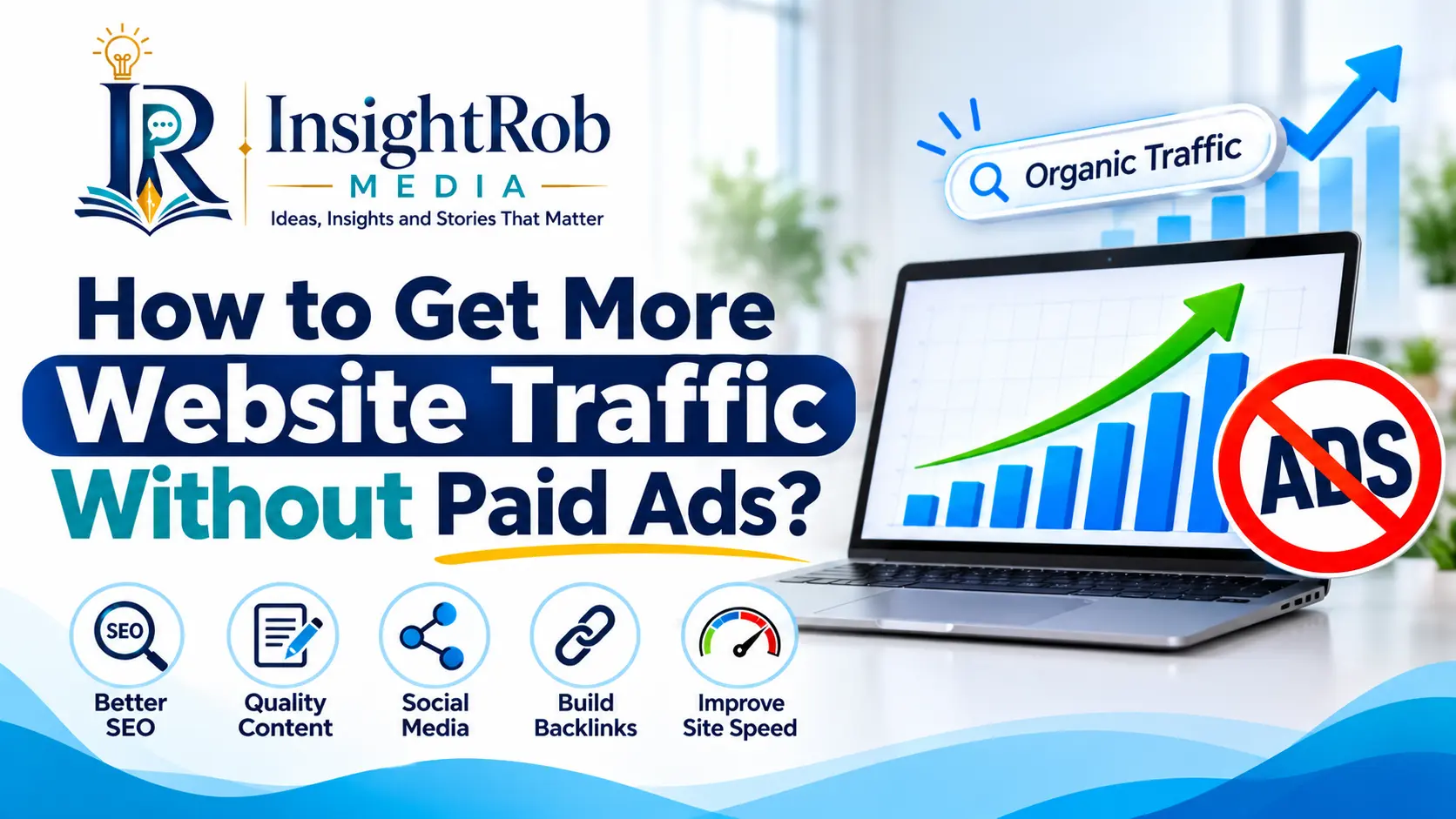
Earn unpaid traffic by targeting specific search questions, maintaining indexable pages, publishing firsthand resources and distributing content where relevant audiences already gather. Measure Google search clicks and returning readers instead of relying on promises of instant visitors.
How Unpaid Website Traffic Grows?
Searching for free website traffic usually means you want a practical solution, not a list of vague promises. The decisions in this guide are organized around concrete steps, things to check and mistakes to avoid. Where a tool or platform can change, verify official information before applying an instruction. For a U.S.-targeted publisher, useful answers matter more than repeating a search phrase.
Free Website Traffic: SEO, Referrals and Distribution
1. Audit your existing search pages
In Search Console, sort pages by impressions and compare their clicks and click-through rates. Prioritize pages ranking for relevant terms but not fully satisfying the query. Improve their introductions, internal navigation and examples instead of publishing overlapping articles.
Example and verification: Work with one real page, project or piece of content that demonstrates this step. Save the original setting or result and compare it with what changed. Where you cannot verify a claim, explain the limitation; do not substitute made-up numbers or testimonials. A short screenshot with an accurate caption may serve the reader better than another general paragraph.
2. Target long-tail intent
A generic topic like digital marketing is difficult to cover well. A precise question such as how to fix an excluded WordPress page lets you give a complete answer. Group similar questions into a coherent guide rather than splitting minor variants into thin pages.
Example and verification: Work with one real page, project or piece of content that demonstrates this step. Save the original setting or result and compare it with what changed. Where you cannot verify a claim, explain the limitation; do not substitute made-up numbers or testimonials. A short screenshot with an accurate caption may serve the reader better than another general paragraph.
3. Publish original resources
Create useful templates, firsthand troubleshooting screenshots, tested checklists and clear comparisons. These assets can earn citations because they solve problems. Make them accessible without requiring a signup before a reader can understand the core value.
Example and verification: Work with one real page, project or piece of content that demonstrates this step. Save the original setting or result and compare it with what changed. Where you cannot verify a claim, explain the limitation; do not substitute made-up numbers or testimonials. A short screenshot with an accurate caption may serve the reader better than another general paragraph.
4. Build topic clusters
Connect related guides naturally. For example, a WordPress performance tutorial may lead to an image optimization guide and an explanation of Core Web Vitals. Internal links should help readers continue a task, not simply increase link counts.
Example and verification: Work with one real page, project or piece of content that demonstrates this step. Save the original setting or result and compare it with what changed. Where you cannot verify a claim, explain the limitation; do not substitute made-up numbers or testimonials. A short screenshot with an accurate caption may serve the reader better than another general paragraph.
5. Use distribution without spamming
Share an insightful excerpt in relevant communities only when their rules allow it. Email existing subscribers with a specific benefit and encourage them to visit the full explanation. Avoid mass-link dropping in Reddit groups or forum comments.
Example and verification: Work with one real page, project or piece of content that demonstrates this step. Save the original setting or result and compare it with what changed. Where you cannot verify a claim, explain the limitation; do not substitute made-up numbers or testimonials. A short screenshot with an accurate caption may serve the reader better than another general paragraph.
6. Earn editorial references
Offer data, diagrams or practical guides worth citing. Reclaim legitimate unlinked mentions and approach publishers with a genuinely relevant contribution. Avoid buying ranking links or treating directory submissions as a universal traffic solution.
Example and verification: Work with one real page, project or piece of content that demonstrates this step. Save the original setting or result and compare it with what changed. Where you cannot verify a claim, explain the limitation; do not substitute made-up numbers or testimonials. A short screenshot with an accurate caption may serve the reader better than another general paragraph.
7. Update old content
Review dates, screenshots, broken links and claims that have changed. Revise the sections users already land on and explain important differences. Keep a changelog when an update materially changes the advice.
Example and verification: Work with one real page, project or piece of content that demonstrates this step. Save the original setting or result and compare it with what changed. Where you cannot verify a claim, explain the limitation; do not substitute made-up numbers or testimonials. A short screenshot with an accurate caption may serve the reader better than another general paragraph.
8. Measure channel quality
Separate Google organic, email, social and referral sources in analytics. A small audience that reads and returns may be more useful than irrelevant visits. Compare engagement alongside Search Console growth.
Example and verification: Work with one real page, project or piece of content that demonstrates this step. Save the original setting or result and compare it with what changed. Where you cannot verify a claim, explain the limitation; do not substitute made-up numbers or testimonials. A short screenshot with an accurate caption may serve the reader better than another general paragraph.
Suggested action plan
Choose one measurable goal, then complete the checks in the order above. Separate technical fixes from content decisions. Before making a large change, test on a representative page or project, take notes and keep a way to reverse the change. Review the outcome over a reasonable period; traffic and user behavior are influenced by more than one adjustment. For readers in the United States, verify the platform’s availability and settings in that market.
Common mistakes
Avoid copying generic advice without testing it. Do not publish invented search-volume figures, pricing, results or future product capabilities. Exact-match keyword stuffing makes an article less pleasant to read, and an SEO plugin’s green indicators are not a promise of search traffic. Review each claim, use descriptive headings and keep related content linked only when the destination exists.
Frequently Asked Questions
1. Is free traffic truly free?
You avoid media spend but still invest in writing, design, technical work and distribution.
2. Does SEO bring visitors immediately?
Usually not predictably; discovery and ranking take time.
3. Is social media enough?
Social channels can help distribution, but sustainable discovery benefits from multiple sources.
4. Should I write every day?
Publish at a pace that allows originality, maintenance and fact-checking.
5. Do backlinks matter?
Relevant editorial links can help discovery and credibility; manipulative links add risk.
6. Can AI write all my content?
Use AI as an assistant, but provide original value and human editing.
7. What is a content cluster?
A group of related pages connected by useful contextual internal links.
8. Which metric should I track?
Start with organic clicks, qualified landing pages and meaningful on-site actions.
9. Do old blogs need updates?
Yes, when facts, interfaces or user intent change.
10. Can I get traffic without ads as a new site?
Yes, though growth depends on competition, content quality and promotion.
Conclusion
The most useful approach to free website traffic is to understand the underlying issue, choose a realistic method and check results against reliable evidence. Revisit this guide as tools change, and prefer firsthand demonstrations over abstract promises.
For more guides on government schemes, banking, insurance and financial awareness, explore Insight Rob Media